
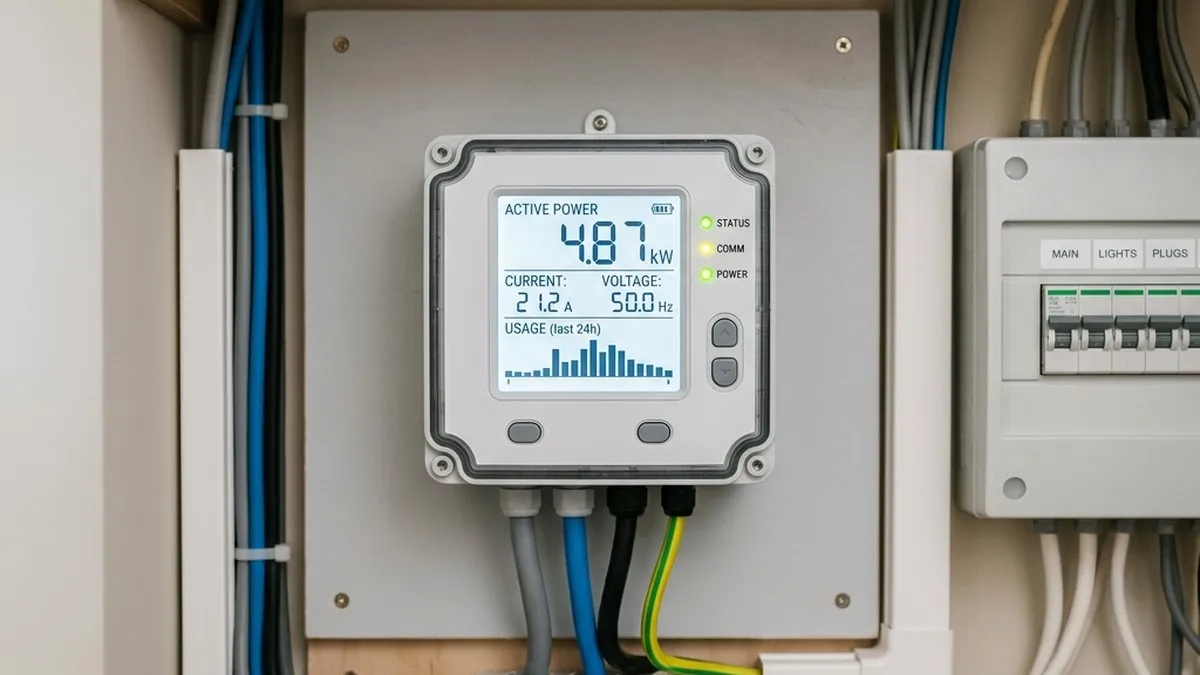
Electricity prices in Ireland have fluctuated significantly since 2021–2023. As of 2026, unit rates have eased somewhat but remain high by historical standards.
Current electricity unit rates
SEAI reference rates (EU Price Survey, Apr 2026)
These are official rates used for energy modelling and comparisons:
| Band | Annual usage | Unit rate |
|---|---|---|
| Band DA | < 1,000 kWh | 38.89 c/kWh (manual, 2026-04-01) |
| Band DC | 2,500–5,000 kWh | 40.42 c/kWh (collected, 2026-07-01) |
| Band DD | 5,000–15,000 kWh | 34.38 c/kWh (collected, 2026-07-01) |
Band DD is the reference rate used for heat pump comparisons. A home with a heat pump typically uses 8,000–15,000 kWh/year of electricity and falls in this band.
Source: SEAI Domestic Fuel Cost Comparison, source date 1 July 2026 (automatically collected)Supplier rates (June 2026)
| Supplier | Product | Unit rate |
|---|---|---|
| Electric Ireland | Standard | 31.95 c/kWh (collected, 2026-10-11) |
| Bord Gáis Energy | Urban 24 Hour | 45.38 c/kWh (collected, 2026-10-11) |
Note: Supplier rates are scraped from public tariff pages. Always verify at the supplier’s website before switching, as rates change frequently and special offers are available.
PSO levy
The Public Service Obligation (PSO) levy is charged on all electricity bills to fund renewable energy support. Current rate: €1.46/month (manual, 2025-12-01) per month (17.52 EUR/year (manual, 2026-06-12) per year).
Source: SEAI, source date 1 December 2025 (manually researched)Natural gas unit rates
| Source | Rate | Band/Product |
|---|---|---|
| SEAI reference (Band D2) | 13.00 c/kWh (collected, 2026-07-01) | ≥20 GJ/yr heating homes |
| Bord Gáis standard | 12.36 c/kWh (collected, 2026-10-11) | Standard plan |
Heat pump electricity vs gas comparison
At Band DD electricity (34.38 c/kWh (collected, 2026-07-01)) and SPF 3.5:
Effective heat cost. Calculate the result using your current tariff.
Versus gas boiler at 13.00 c/kWh (collected, 2026-07-01) and 90% efficiency:
The heat pump is still cheaper even against gas.
Tips for reducing your electricity bill
- Switch supplier: compareenergy.ie compares all plans.
- Compare time-of-use tariffs: check day, night and peak prices against the times you actually consume electricity.
- Solar PV: generates your own electricity at effectively zero marginal cost during the day. See solar panel costs in Ireland and the payback calculator.
- Reduce standby consumption: smart plugs can eliminate hidden standby loads.
- LED lighting: if not already installed, LED bulbs use around 90% less energy for lighting.
For the wider picture, compare your usage against the average Irish electricity bill, and see how to reduce heating bills for the upgrades that cut consumption rather than just unit price. Most of them carry an SEAI grant.